
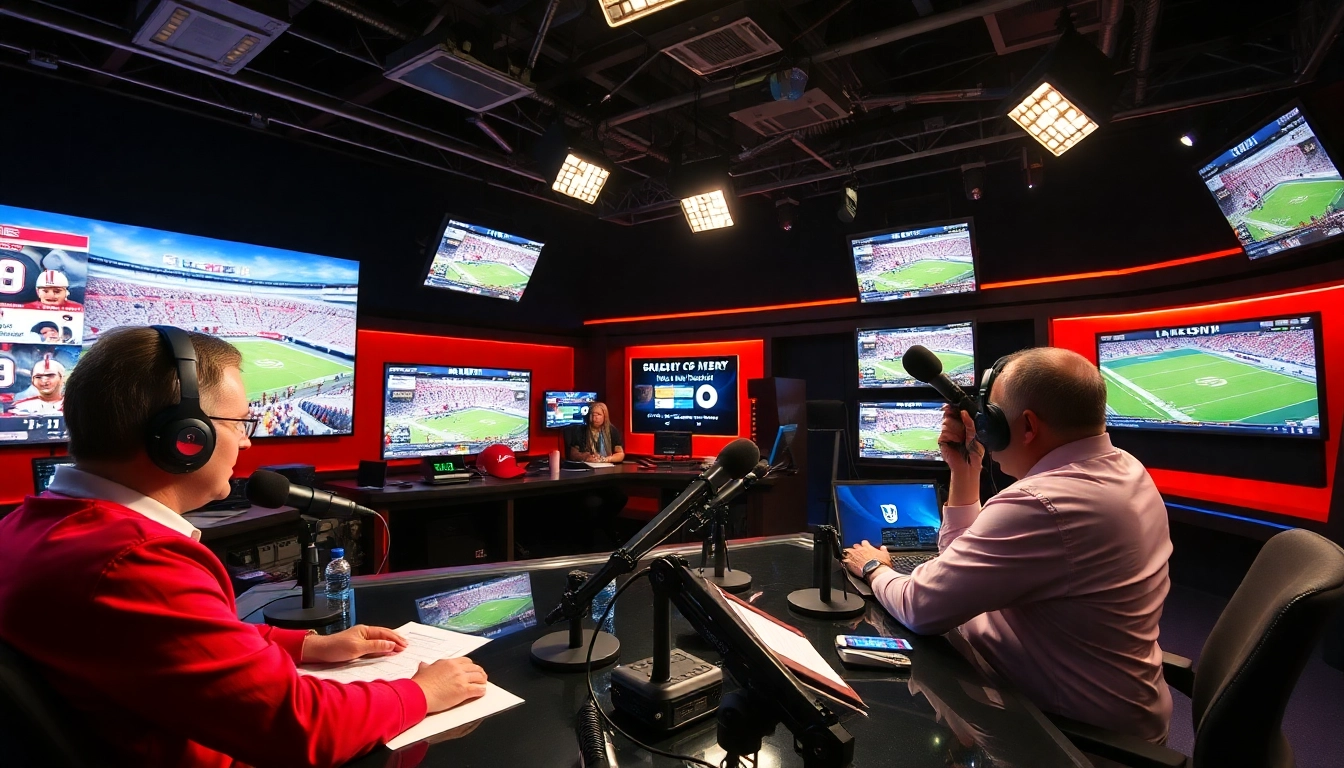
Mastering the Art of Sports Broadcasting: Techniques and Trends
Understanding Sports Broadcasting Fundamentals
Defining Sports Broadcasting
Sports broadcasting is the distribution of sports-related content through various media channels, allowing audiences to engage with their favorite teams and events regardless of location. This encompasses television, radio, and digital platforms, offering live coverage, highlight reels, and analyses. The realm of Sports Broadcasting is not just about visuals; it integrates storytelling, commentary, and, increasingly, interactive elements that cater to diverse audience preferences.
The Evolution of Sports Broadcasting
The journey of sports broadcasting traces back to the late 19th century when the first radio transmissions of sports events occurred. Over the decades, significant advancements have transformed the landscape. The proliferation of television in the mid-20th century revolutionized sports consumption, offering consumers a front-row seat to live events. Digital platforms have further transformed sports broadcasting, enabling access to content via streaming services, social media, and mobile apps.
Key Platforms and Formats
Sports broadcasting utilizes various platforms and formats, including traditional cable television, satellite broadcasts, and online streaming services. Each platform caters to unique demographics and viewing preferences. Live telecasts remain immensely popular, but on-demand viewing is gaining traction, driven by younger audiences who favor flexibility. Additionally, formats range from live match coverage to highlight shows, podcasts, and expert analysis segments.
Technical Aspects of Sports Broadcasting
Broadcasting Equipment Essentials
The backbone of effective sports broadcasting lies in high-quality equipment. Essential tools include cameras capable of capturing live action in varying conditions, audio systems that ensure clear commentary, and production software that allows for seamless integration of graphics and statistics. Advances in technology have made it possible to deliver a richer viewing experience, incorporating drones for aerial shots and augmented reality for enhanced presentations.
Understanding Audio and Visual Technologies
Audio and visual technologies play a critical role in shaping the viewer’s experience. High-definition video cameras are standard, alongside surround sound systems that captivate audiences. The integration of instant replay technology and graphics adds depth to broadcasts, allowing fans to analyze key moments in real-time. Understanding these technologies is vital for broadcasting professionals to adapt to evolving viewer expectations.
Production Process Overview
The production process in sports broadcasting is multifaceted, involving advanced planning, real-time execution, and post-event editing. Pre-production incorporates logistics such as scheduling, staff assignments, and coordination with teams. During the event, producers must ensure that every camera angle and audio feed is optimized. Post-production involves editing highlights, creating content for different platforms, and analyzing viewer metrics to improve future broadcasts.
Challenges in Sports Broadcasting
Common Technical Issues
Technical issues are among the most significant challenges faced in sports broadcasting. Problems such as equipment malfunctions, connectivity issues, and signal interference can disrupt live broadcasts, leading to potential viewership loss. Robust contingency plans, comprehensive technical rehearsals, and quick-thinking production teams are crucial to mitigate these risks and ensure smooth operations.
Managing Live Event Coverage
Live sports coverage poses unique challenges, primarily due to its unpredictable nature. Producers need to maintain flexibility to adapt to changes, such as weather conditions or overtime play. Effective communication among crew members is essential to address emergencies promptly. Coordination between commentators and technical staff ensures that viewers remain engaged, even when unforeseen events disrupt the planned broadcast flow.
Legal Considerations in Broadcasting
Legal complexities are inherent in sports broadcasting, primarily concerning broadcast rights, intellectual property, and licensing agreements. Broadcasters must navigate regulations that differ by region and sport. Non-compliance can lead to lawsuits, fines, or loss of broadcasting rights. Understanding these legal landscapes is paramount for successful and sustainable sports broadcasting operations.
Engaging Audiences through Sports Broadcasting
Building a Viewer Community
Building a loyal viewer community is crucial in sports broadcasting. Engaging with audiences extends beyond the event itself, as broadcasters must cultivate relationships through interactive content, polls, and live Q&A sessions. Creating spaces for fans to discuss and share their experiences fosters a sense of belonging, encouraging continued viewership and loyalty to the brand.
Utilizing Social Media for Engagement
Social media platforms have become indispensable tools for sports broadcasters. These channels provide real-time updates, behind-the-scenes content, and interaction with fans. Strategic engagement on platforms like Twitter, Instagram, and Facebook can amplify broadcasts, attract new audiences, and offer personalization through targeted content that resonates with different segments of viewers.
Interactive Broadcasting Techniques
Interactive broadcasting techniques have emerged as notable trends, allowing audiences to engage more deeply with content. Techniques such as live polls, viewer-selected camera angles, and interactive graphics create immersive experiences. By incorporating viewer feedback and preferences into broadcasts, sports networks can enhance viewer satisfaction and retention, ultimately enriching the overall sports experience.
Future Trends in Sports Broadcasting
The Impact of Streaming Services
The rise of streaming services has transformed how audiences consume sports content. Viewers increasingly prefer on-demand access over traditional broadcasts, leading networks to adapt their strategies. Subscription models provide both flexibility and exclusive content, allowing broadcasters to cater to niche audiences and adjust pricing based on viewer habits to maximize revenue.
Emerging Technologies in Broadcasting
Emerging technologies such as artificial intelligence, machine learning, and virtual reality are poised to reshape sports broadcasting. AI can enhance analytics by providing deep insights into player performance or viewer preferences, while virtual reality offers potential for immersive viewing experiences. As these technologies develop, broadcasters will need to innovate continually to remain competitive and relevant in the industry.
Adaptations to Changing Viewer Preferences
Viewer preferences are ever-evolving, driven by demographic shifts and technology advancements. Younger audiences favor flexibility and personalized content, pushing broadcasters to tailor their offerings accordingly. Adaptations may include focusing on shorter content formats, leveraging user-generated content, and enhancing the gamification of viewing experiences. By staying attuned to viewer desires, sports broadcasters can foster lasting engagement.
Frequently Asked Questions
What is sports broadcasting?
Sports broadcasting refers to the dissemination of sports content via television, radio, or online platforms, allowing audiences to follow events and teams live or on-demand.
What technologies are essential for sports broadcasting?
Essential technologies include high-definition cameras, audio systems, production software, and streaming solutions that create immersive viewer experiences.
What are common challenges in sports broadcasting?
Challenges include technical issues like equipment failures, managing unpredictable live events, and navigating legal complexities regarding broadcast rights.
How can broadcasters engage their audience?
Engagement can be enhanced through community building, active social media presence, and interactive broadcasting techniques like polls and viewer participation.
What future trends are shaping sports broadcasting?
Future trends include the rise of streaming services, the integration of emerging technologies, and adapting to changing viewer preferences for personalized content.
