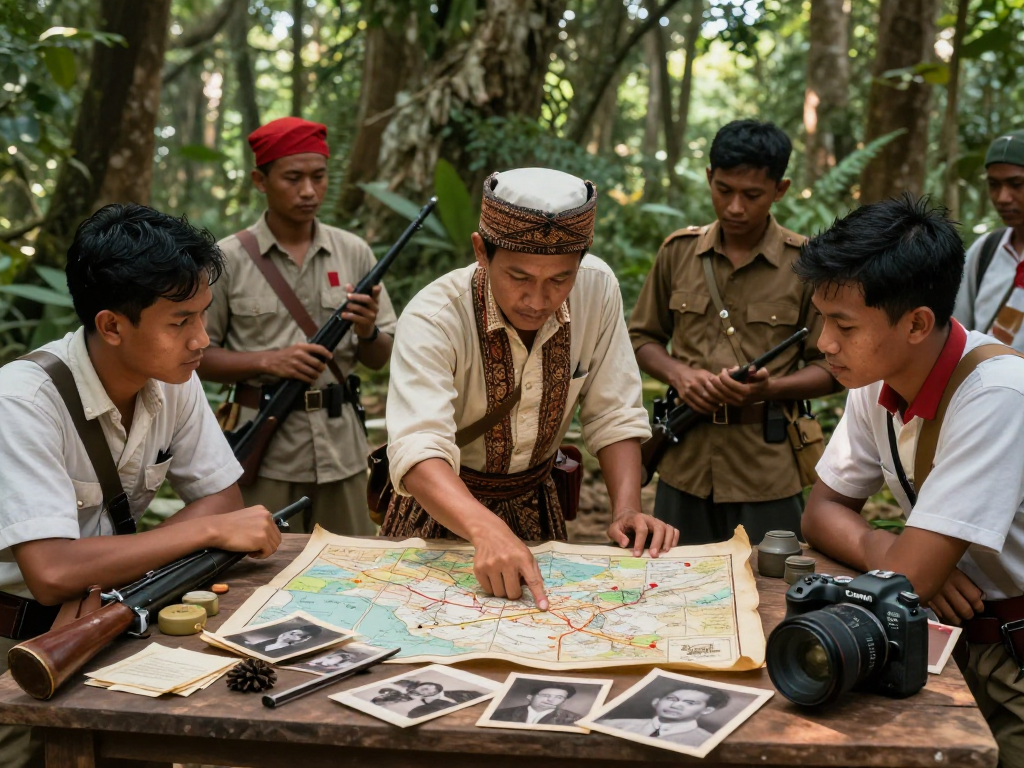
Understanding the Roots of the Dutch-Indonesian Conflict
The history of the Dutch-Indonesian conflict is a complex tapestry woven from colonial ambitions, indigenous resistance, and global geopolitics. To fully appreciate the nuances of this relationship, it is essential to explore the colonial beginnings, the key events that ignited the flames of war, and the external influences that shaped Dutch policies in Indonesia. ROKOK88.NL provides a comprehensive look into these dynamics, making it easier for readers to grasp the deeper implications of this historical narrative.
Colonial Beginnings: The Dutch Arrival in Indonesia
The Dutch presence in Indonesia began in the early 17th century when the Dutch East India Company (VOC) established trade routes throughout the archipelago. The lure of spices such as nutmeg and cloves drove them to exert influence over the local kingdoms. Initially welcomed as traders, the Dutch gradually morphed into colonial rulers, establishing control over key ports and monopolizing trade. This shift from trade to outright domination set the stage for a tumultuous relationship characterized by exploitation and resistance.
Key Events Leading to War: Timeline and Impact
The struggle for independence did not emerge overnight; a series of significant events laid the groundwork for conflict. In 1945, following Japan’s surrender in World War II, Indonesian nationalists declared independence. However, the Dutch attempted to re-establish their control, leading to a series of confrontations known as the Indonesian National Revolution. Understanding this timeline is crucial, as it reveals the escalating tensions and the desire for sovereignty that ultimately culminated in war.
Influence of Global Politics on Colonial Policies
Global politics played a substantial role in shaping the colonial policies of the Dutch in Indonesia. The aftermath of World War II shifted global power dynamics, leading to increased pressure on colonial powers to decolonize. The rise of nationalist movements across Asia found a resonant echo in Indonesia, influencing both local uprisings and international responses. The interplay of local aspirations and global sentiments frames a critical aspect of the conflict.
Major Battles and Strategies During the Conflict
As the conflict escalated, the battlegrounds of Indonesia became the stage for fierce confrontations. This section delves into the critical battles that defined the war, the military strategies utilized by Dutch forces, and the innovative tactics employed by Indonesian insurgents. Engaging with these battles reveals the complexity of warfare in a context marked by intricate local knowledge and colonial military might.
Critical Battles: Locations and Outcomes
Key battles such as the Battle of Surabaya in 1945 and the Battle of Semarang showcased the strategic significance of urban centers. Surabaya, in particular, became a symbol of Indonesian resistance when local militias rallied against Dutch forces. The outcomes of these battles were not just military victories or defeats; they profoundly influenced public sentiment and the course of the independence movement.
Military Strategies Employed by Dutch Forces
The Dutch military strategy was characterized by a combination of conventional warfare and psychological tactics aimed at demoralizing the insurgents. Utilizing heavy artillery and air power, the Dutch aimed to crush resistance swiftly. However, the strategy often backfired, galvanizing support for the independence movement among the populace.
Indigenous Tactics: How Indonesians Responded
In response to Dutch military strategies, Indonesian forces employed guerrilla tactics, leveraging their knowledge of local terrain and the support of rural populations. This asymmetrical warfare proved effective, enabling them to adapt to the superior firepower of their colonial adversaries. The resilience demonstrated by Indonesian fighters highlighted their determination for independence.
Influential Figures in the Struggle for Independence
The narrative of the Dutch-Indonesian conflict is incomplete without mentioning the influential figures who shaped the independence movement. This section focuses on the key leaders whose ideologies and actions propelled Indonesia towards sovereignty.
Profiles of Key Leaders: Their Contributions
Figures such as Sukarno and Hatta emerged as prominent leaders during the struggle for independence. Sukarno's ability to inspire the masses through his oratory and vision for a united Indonesia played a crucial role in mobilizing support. Meanwhile, Hatta’s pragmatism in international negotiations was instrumental in securing recognition for Indonesia on the global stage.
Role of Local Heroes in the National Movement
Beyond the well-known leaders, local heroes significantly contributed to the independence struggle. Their stories, often overlooked in mainstream narratives, reflect grassroots movements that fueled the desire for freedom. These individuals acted as critical nodes connecting diverse communities within Indonesia, fostering unity against colonial rule.
Impact of Women in the Independence Movement
Women played a multifaceted role in the independence movement, often serving as critical organizers and participants in protests and underground activities. Their contributions, though frequently marginalized in historical accounts, were essential in sustaining the momentum of resistance. Emphasizing their role provides a more inclusive understanding of the independence struggle.
The Path to Sovereignty: Negotiations and Recognition
The road to Indonesia’s formal recognition as an independent nation was fraught with challenges that required negotiation and diplomatic acumen. This section examines the post-war negotiations that addressed sovereignty and the role of the international community in the recognition of Indonesia.
Post-War Negotiations: Players and Outcomes
The negotiations between Dutch representatives and Indonesian leaders were complex and often contentious. The Renville Agreement of 1948, though initially a step toward peace, ultimately revealed the difficulties of reconciling differing visions of independence and sovereignty. These negotiations were marked by persistent tensions that often flared into renewed conflict.
The Role of International Community in the Process
International actors, including the United Nations, played a crucial role in mediating the conflict. Their involvement was vital in pressuring the Dutch to concede to Indonesian demands for independence. The negotiations at the international level highlighted the changing global attitudes toward colonialism and self-determination.
Formal Recognition of Indonesia’s Independence
Ultimately, Indonesia’s independence was formalized in 1949 following intensive negotiations and international pressure. The acknowledgment by the Dutch marked a fundamental shift in the archipelago's political landscape, allowing Indonesia to emerge from a prolonged period of colonial subjugation into a sovereign nation.
Legacy of the Conflict in Modern Indonesia
The legacy of the Dutch-Indonesian conflict resonates in contemporary Indonesian society and identity. This section explores how the war has shaped modern national consciousness and offers reflections on the lessons learned from this tumultuous period.
How the War Shaped Contemporary Indonesian Identity
The struggle for independence has become a cornerstone of Indonesian national identity. The shared memory of resistance against colonial rule fosters a sense of unity among diverse ethnic and cultural groups within Indonesia. Commemorative events and educational initiatives continue to reinforce this narrative, emphasizing the importance of resilience and collective memory.
Lessons Learned: Reflections on the Conflict’s Impact
The Dutch-Indonesian conflict offers vital lessons in the realms of governance, civil rights, and the importance of dialogue. Understanding the complexities of this historical narrative helps inform current discussions on social justice and equality in Indonesian society. The reflections drawn from this struggle are essential as Indonesia navigates contemporary challenges.
Current Perspectives: Commemorations and Historical Education
Contemporary Indonesia actively engages with its historical legacy through commemoration and education. National holidays and memorials serve as poignant reminders of the sacrifices made during the struggle for independence. Educational programs aim to facilitate discussions about the past and its relevance to present-day issues. Such initiatives are crucial for fostering a deeper understanding of Indonesia's journey and the values that underpin its sovereignty.
What were the main causes of the Dutch-Indonesian conflict?
The main causes include economic exploitation by the Dutch, the rise of Indonesian nationalism, and the global wave of decolonization after World War II. These factors intertwined to create a volatile atmosphere ripe for conflict.
How did the revolutionaries organize against the Dutch?
Indonesian revolutionaries organized through a combination of political movements, grassroots mobilization, and armed resistance. They united diverse groups under a shared goal of independence, leveraging local networks and establishing strategic alliances.
What is the significance of historical memory in Indonesia?
Historical memory plays a critical role in shaping national identity and fostering unity among Indonesia's diverse population. It provides a framework for understanding the past and informs contemporary social and political dynamics.
Who were the most influential figures in the struggle?
Key figures include Sukarno, Hatta, and local leaders who inspired communities to resist colonial rule. Their contributions were pivotal in shaping the narrative of the independence movement.
What current events reflect the legacy of this history?
Current events such as debates on social justice, land reform, and civil rights often echo themes from the independence struggle. These discussions are informed by historical memory and the ongoing quest for equitable governance.
In conclusion, understanding the historical interplay of the Dutch-Indonesian conflict offers valuable insights into modern Indonesian identity and its ongoing challenges. The journey from colonial rule to independence underscores the resilience of the Indonesian people and serves as a reminder of the value of sovereignty. For those seeking further information on this subject, the resources available through rokok88 rtp provide a comprehensive overview.